Dear William (and Daniel, Catherine, Michael & Baby Girl Y) (and your parents), (and any future descendants and their parents),
This is a Family Tree prepared by either my Aunt Teresa (my Father’s sister) or my Babcia Janina (my Father’s mother) — I suspect that it was prepared by your Pra-Pra-Babcia Janina in 1926 — depicting the early history of the Kostro family.
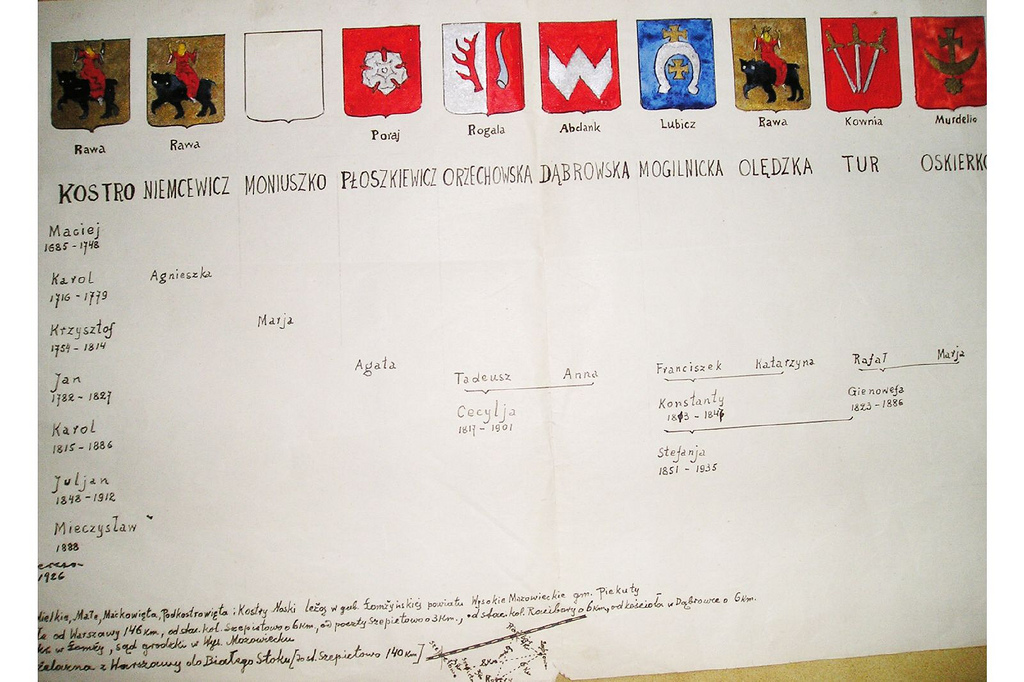
One of the interesting things about this chart is that it shows the Coats of Arms of the persons who married into our Kostro family. You may remember that a Coat of Arms belongs to a clan, and within each clan there may be more than one family. For example, the Kostro family belongs to the Rawicz clan; but within the Rawicz clan there are 460 Polish families — more information is available at: http://en.wikipedia.org/wiki/Rawa_coat_of_arms.
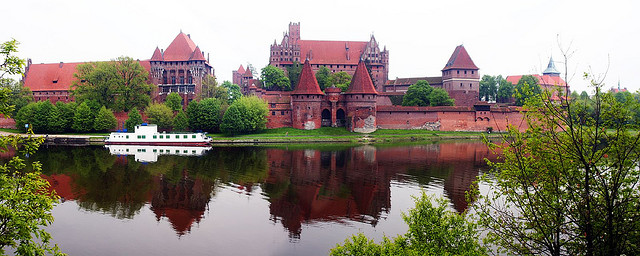
The Malbork Castle, in Poland. William -- your Parents were there on May 16, 2006
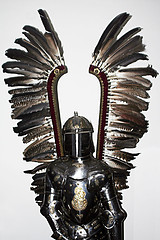
Polish Hussar
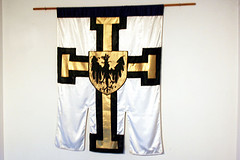
According to oral tradition (information handed down from one generation to the next; I heard it from my Father, my Aunt Teresa and my Babcia Janina; your Dad and your Uncle Richard and Aunt Malgosia heard it from me; and now you are also hearing it from me [unless, your Dad already told you all about it]), the Kostro family joined the Rawa clan around the year 1410. Apparently, a Spanish knight (perhaps, Caballero [Sir] Castro) came to fight on the side of Knights of the Teutonic Order; however, when he learned about the issues involved, he switched sides, and joined the army of the Polish King. Fortunately, Poland defeated the Knights of the Teutonic Order at the Battle of Grunwald in 1410. For his bravery and service to the King, the Spanish knight was rewarded with inclusion into the Polish nobility, assignment to the Rawa clan, and was given lands within the Polish countryside.
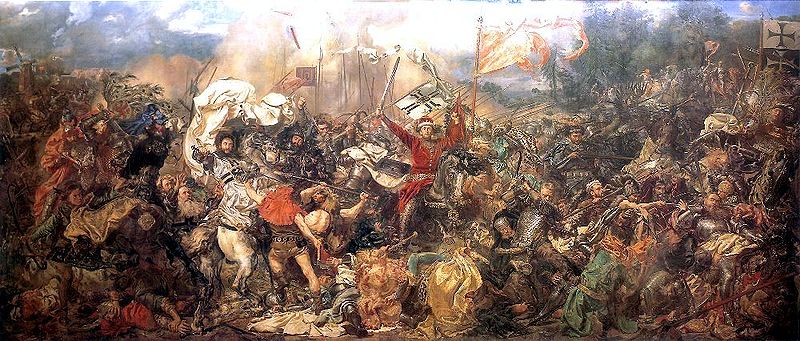
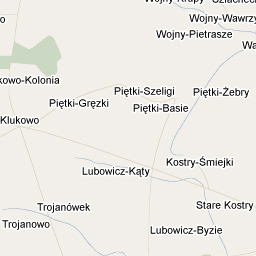
Even today, there are communities in eastern Poland related to our name: Kostry (south-east from Warszawa; north from Lublin); and north-east from Warszawa (on the way to Bialystok): Kostry Smiejki, Stare Kostry, Kostry-Podsedkowieta, Kostry Noski, Kostry Litwa and perhaps more. Your uncle Richard visited some of these places when he visited Poland.
In the old days, it was not uncommon for people living in those communities to take Kostro as their surname; thus, not all people called Kostro are related to us, and not all of them are part of the nobility.
Have a good day, Sir Kostro; and do at least one good deed today.
Love,
Dziadziuś Paweł.
Back to Annual Albums OR Family Letters
