Dear William, Daniel, Catherine, Michael, and Sarah, (and your parents), (and any future descendants and their parents),
Some time ago, I told you about Your Great-Grandfather Kostro’s Resume. On Page 2 of that Resume, in the Publications section, at the top of the page, notice the second entry: Matrix Division. Well, I received a copy of that Paper from my Dad sometime after it was published in June 1963 — I probably received my copy from my Dad in 1968 or 1969. Here is a copy of that Paper for you to review:
.
[If you want to print-out this Paper, go HERE]
.
.
.
I believe that I received my copy in 1968 or 1969 because at that time I was taking courses in Calculus and Matrix Algebra in college.
I remember enjoying Mathematics in school (EXCEPT Geometry!!!). In high school, I took Algebra, Geometry, and beginner Calculus. Then, in college, I took Algebra (college edition); followed by Differential Calculus, then Integral Calculus and Matrix Algebra.
However, I did not fully appreciate the power of my mathematical knowledge until I began programming computers to solve financial problems at my job at Kuhn Loeb. There, as I was trying to figure out how to solve a financial problem, I remembered about the Paper that my Dad had given me several years back. I found that paper, read it MANY times, trying to understand it, and I reviewed my text books, particularly my Matrix Algebra text book; and slowly, it all came to me — and, just as I suspected; magic happened!
To help me remember the process, I wrote my own notes (which I still have) and here they are for your benefit, should you ever want to play around with Matrix Algebra:
.
[If you want to print-out these notes, go HERE]
.
.
.
I have to admit, as I look at my notes and my Dad’s Paper now, “it’s all Greek to me.” But then, in the early to mid-1970’s, this was magic — I could solve equations that no one else could (by that, I mean, none of my peers could). Translating this mathematical knowledge into computer code allowed me to write programs that could solve complex financial problems, giving my employer an advantage over our competition. For example, when we were dealing with Ship Financing, I could structure the loan in a way that fit the client’s special needs — be that, no payments for several years, or some other requirements the client had. I had a GREAT time doing this!
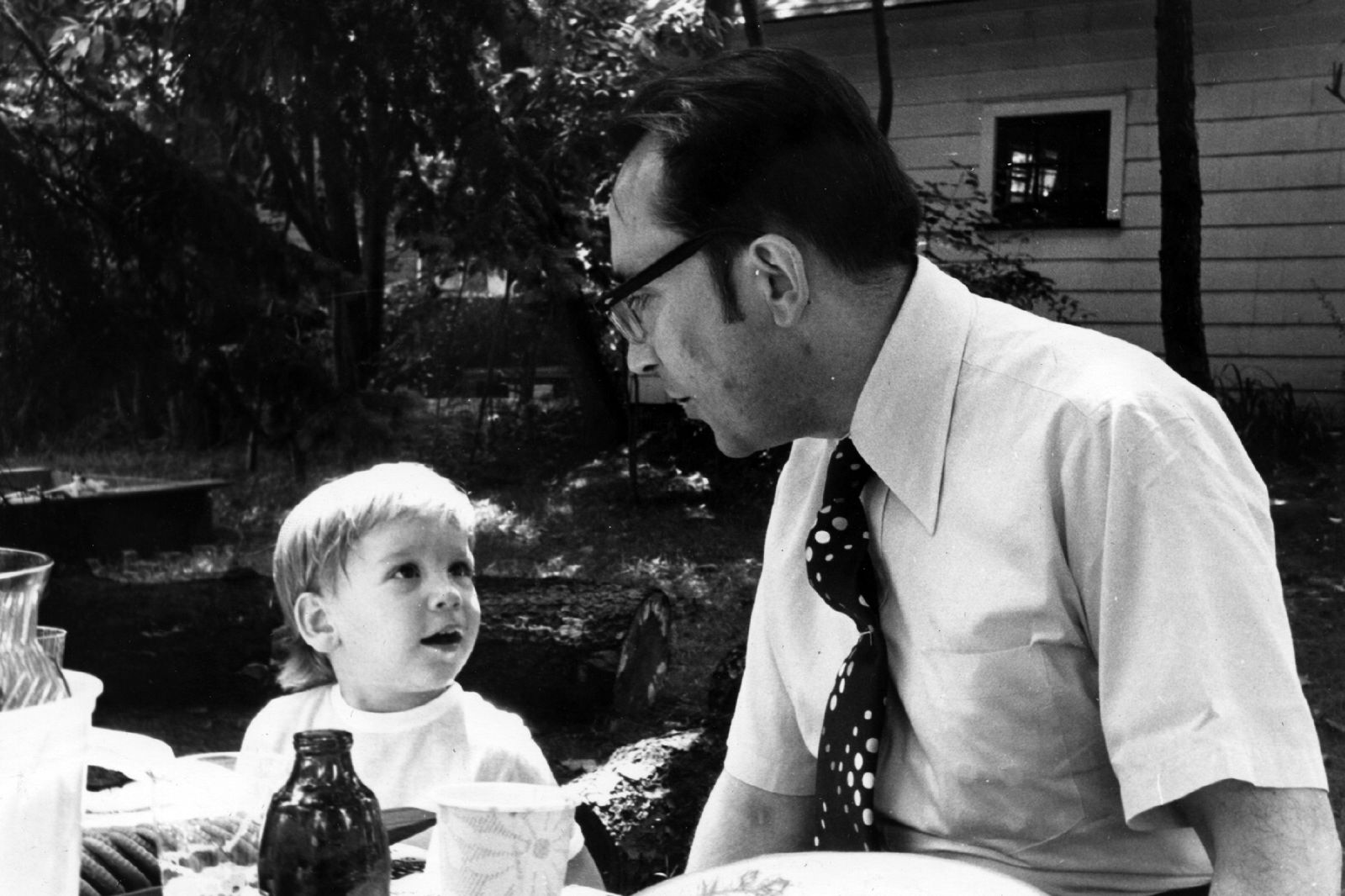
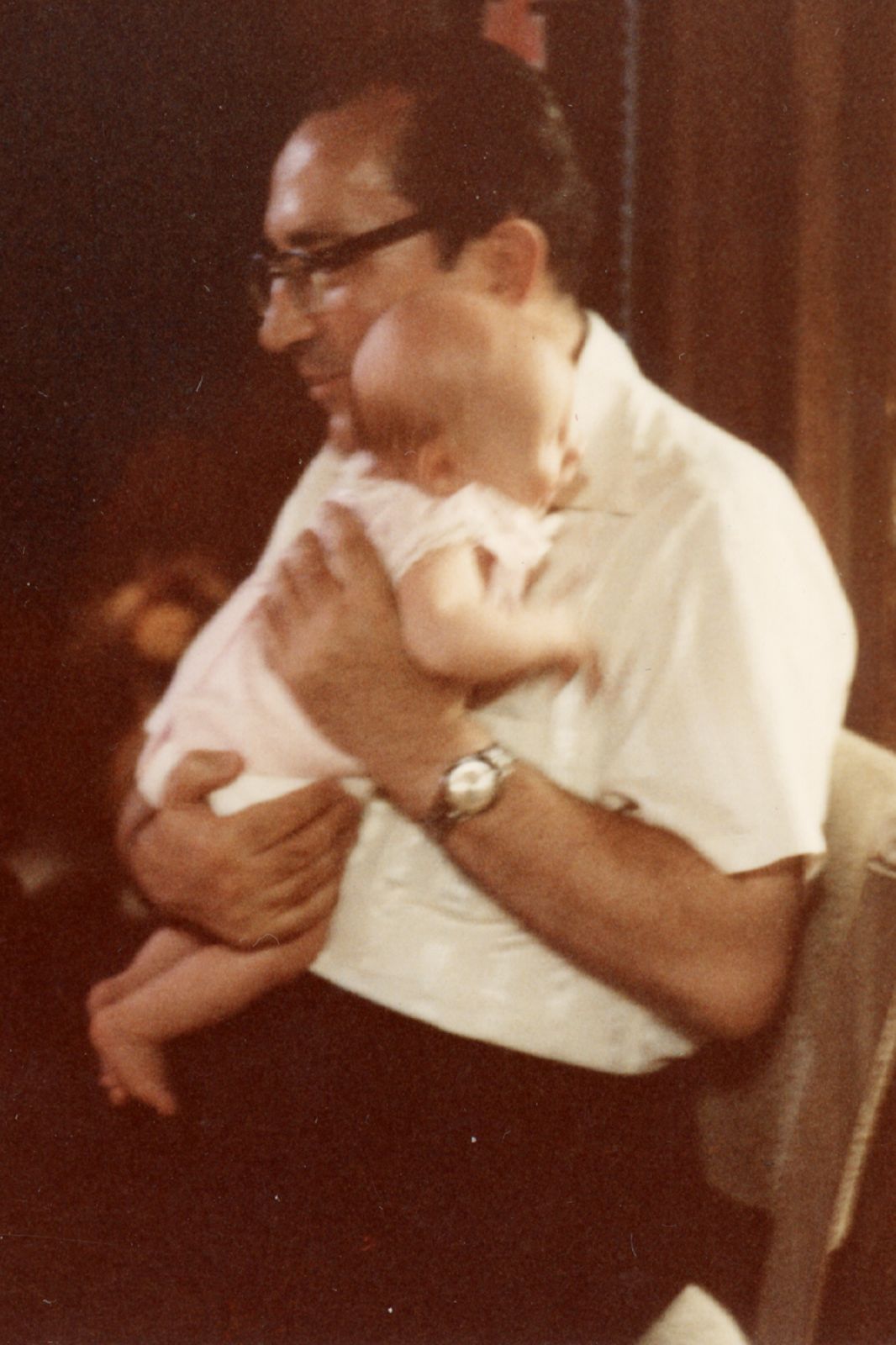
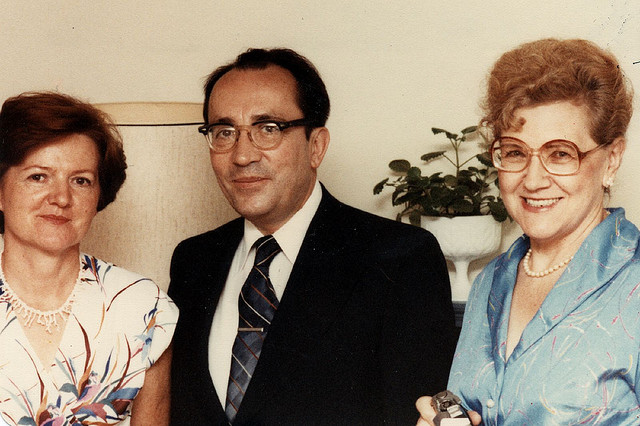
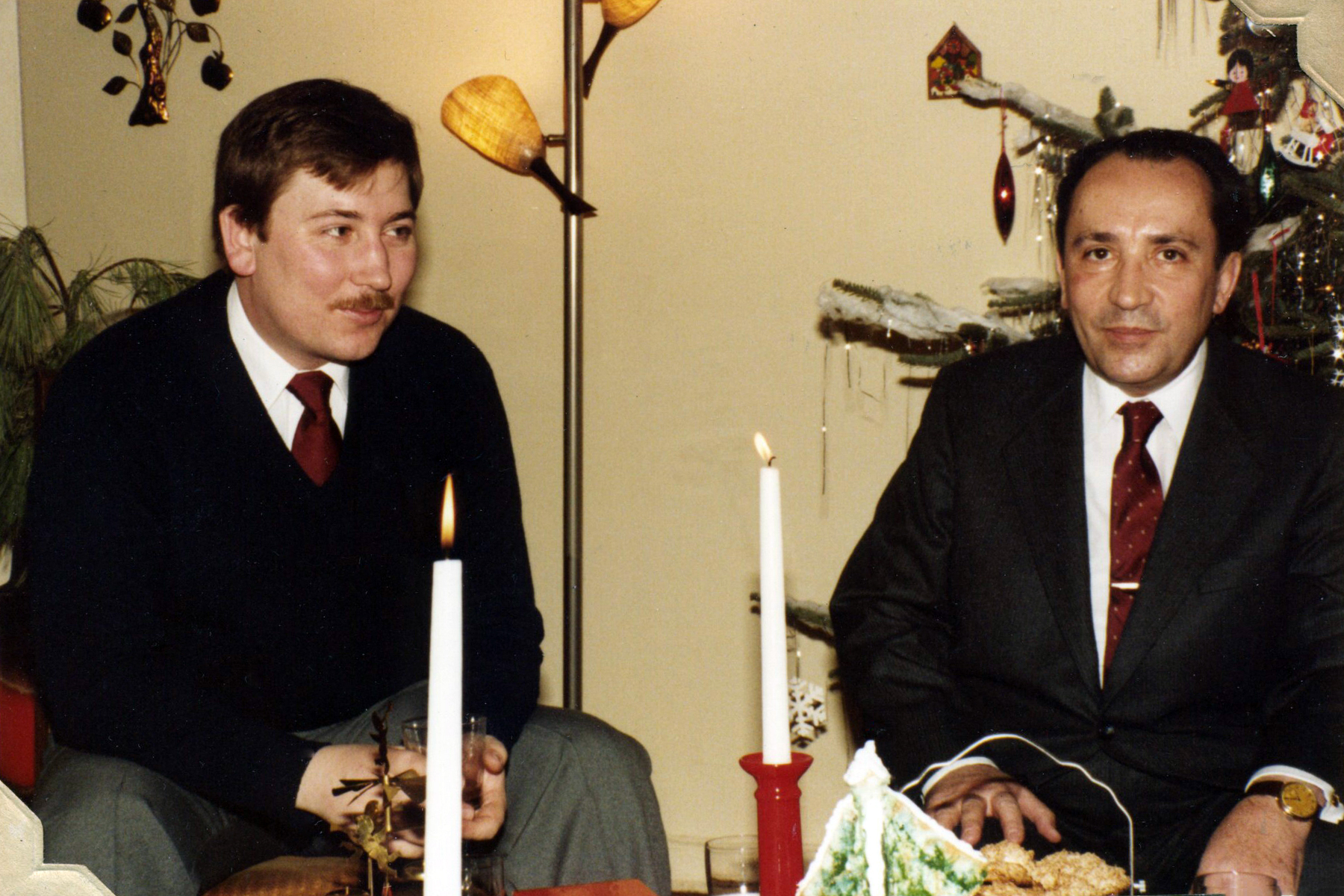
Since I owe all this success to my Dad, let me show you a few pictures where he is in them:
July 3, 1976: Marek discussing life with his Grandfather George – in our backyard at 722 Carleton Road, Westfield, NJ
July 1980: celebrating Hanka’s Imieniny — Malgosia and her Grandfather George
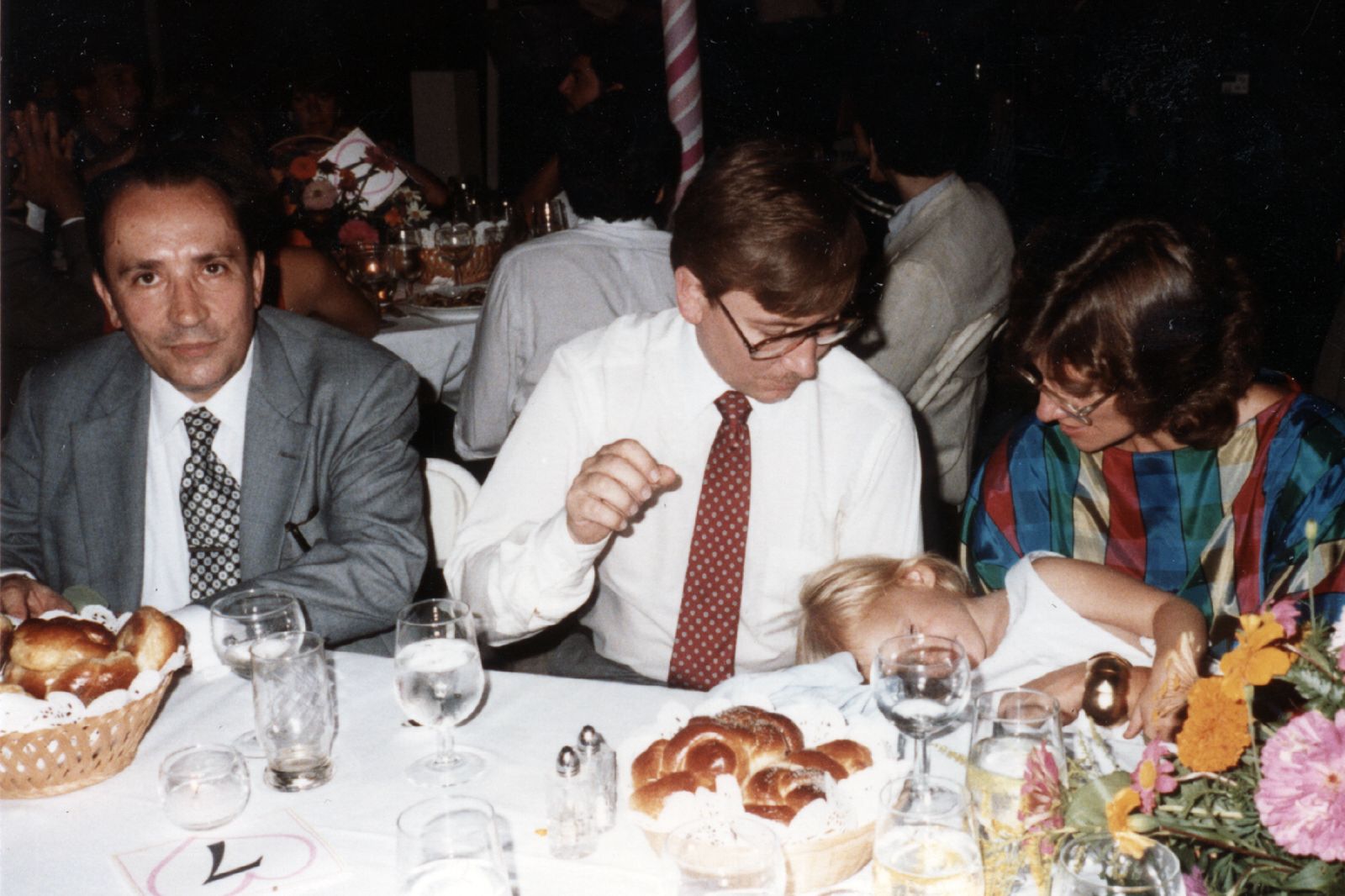
August 31, 1980: Your Great-Grandfahter George Kostro (my father; with your Pra-Babcia Irena Neumann and your Pra-Babcia Irene Kostro)
1981: Pawel & his Dad – Christmas at my Parent’s house
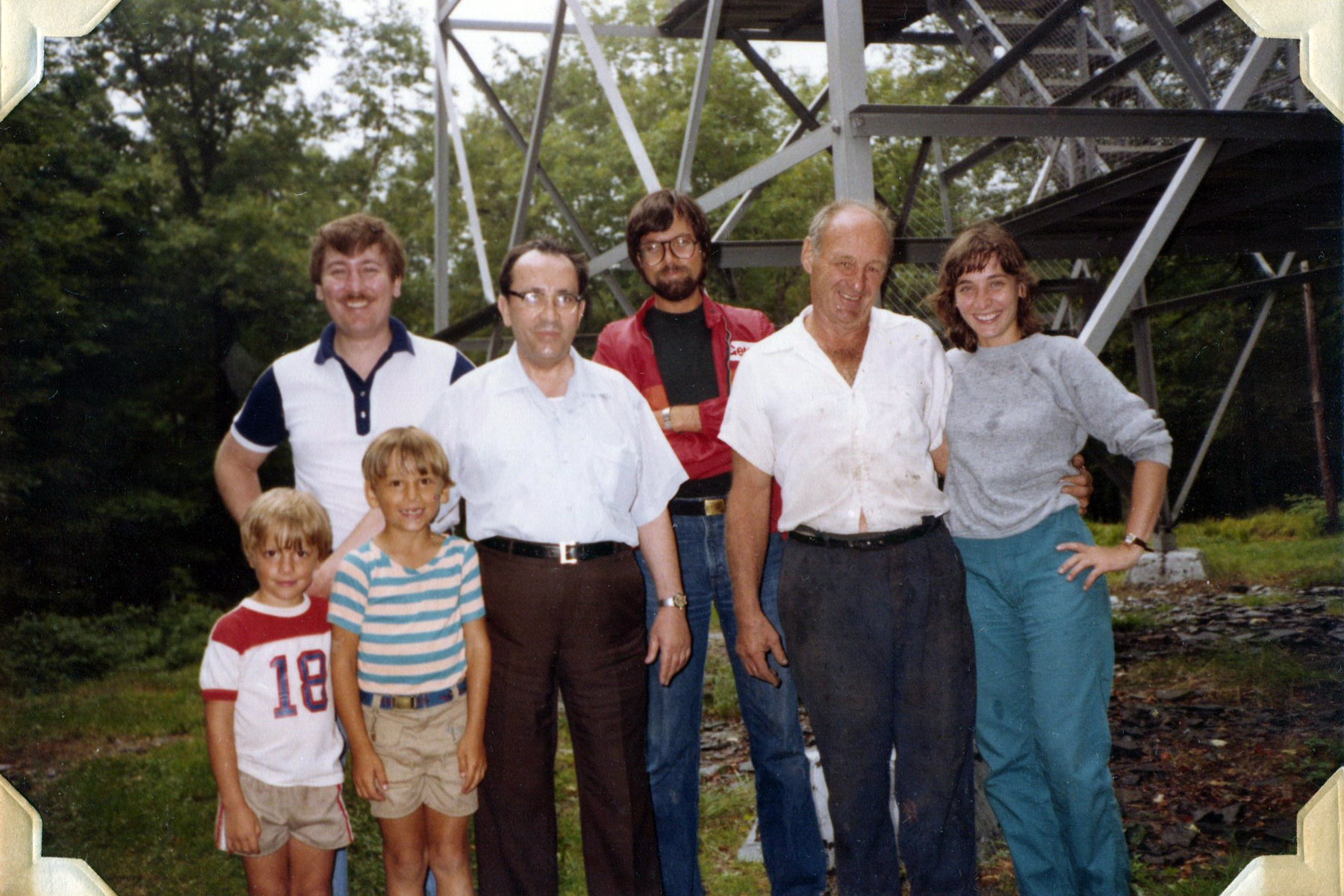
1981: Rysiu, Marek, Pawel, Dad, Tom, Alfred & Elzunia – at the Leonard Hill State Forest fire-tower
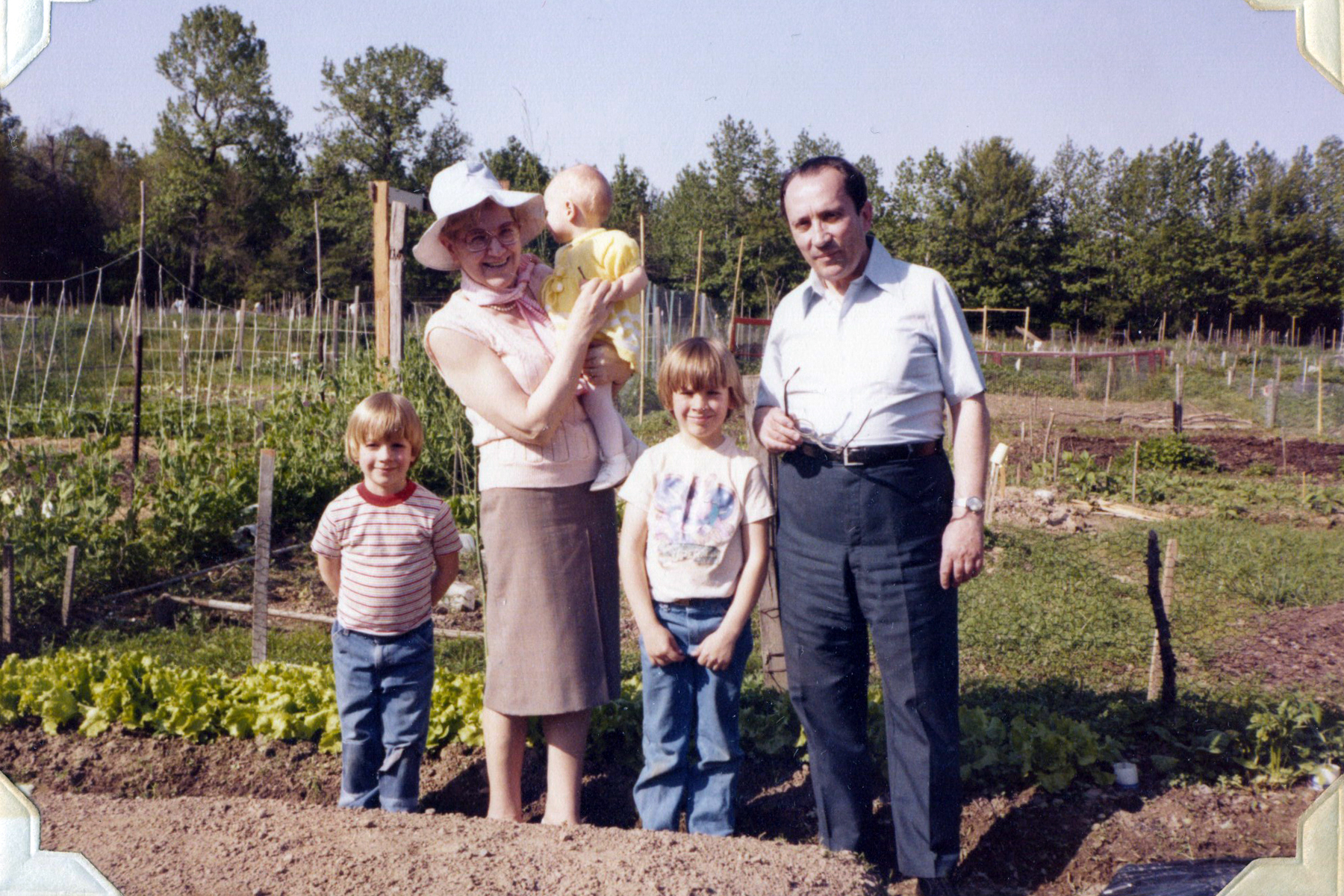
1981: Rysiu, Prababcia Irene Kostro, Malgosia, Marek & my Dad — on our ‘Farm’
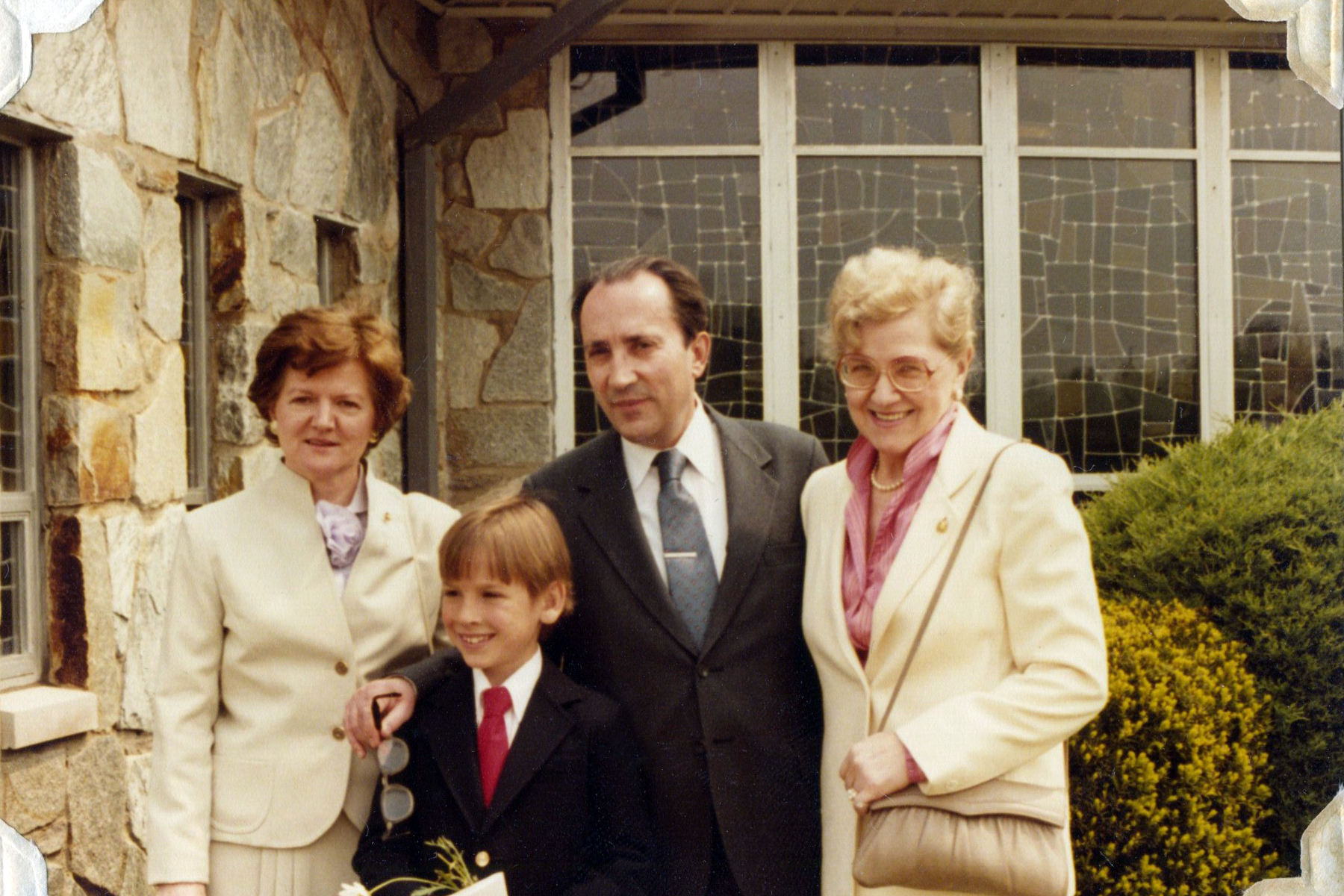
May 8, 1982: Prababcia Irena Neumann, Marek, my Dad & my Mom – Marek’s First Holy Communion
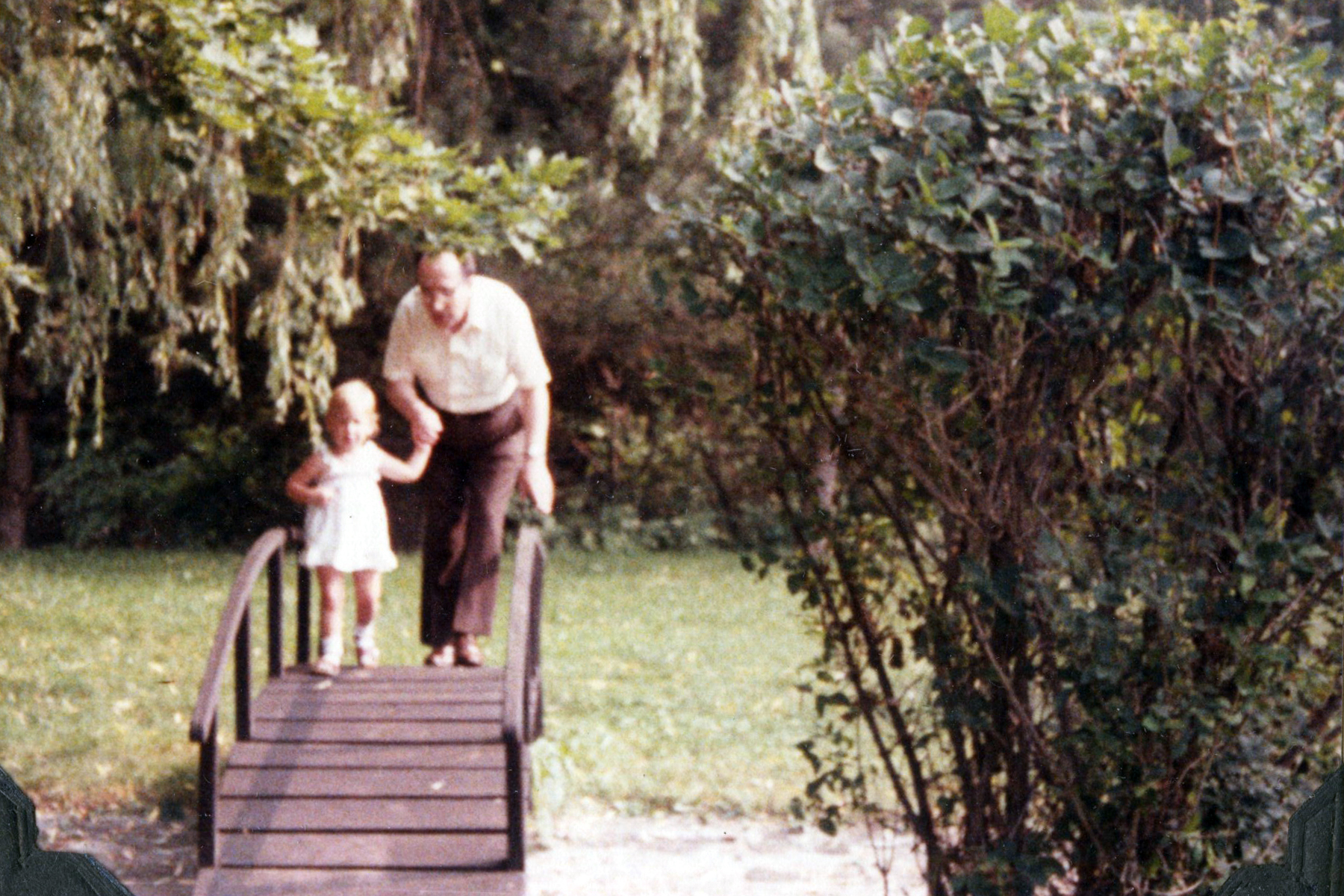
Summer 1982: Malgosia & my Dad at Elzunia’s & Al’s
Dear William, Daniel, Catherine, Michael (and Baby Girl Y) (and your parents), (and any future descendants and their parents),
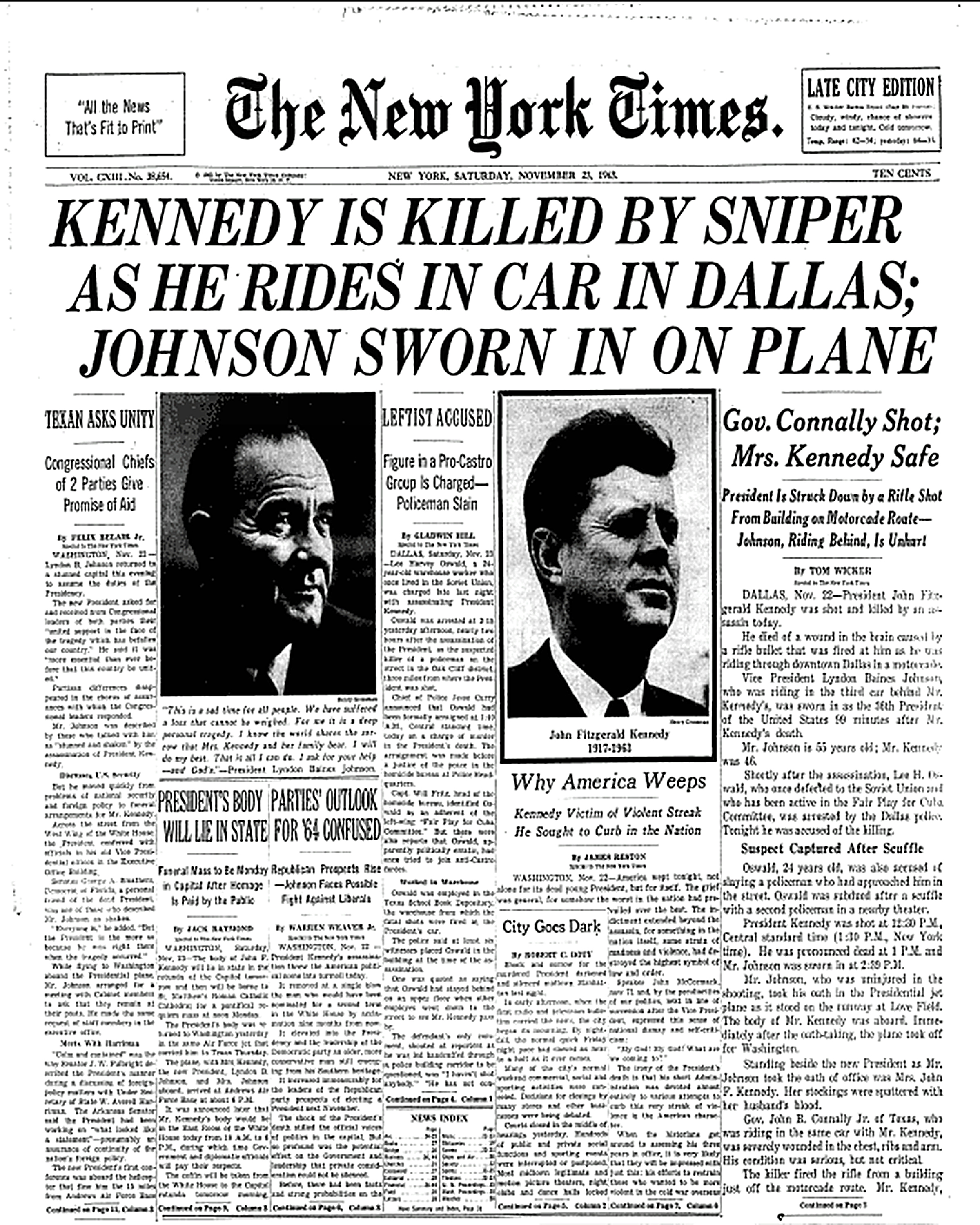
Today is November 22, the anniversary of one of the three of the darkest and most somber days in recent American history — Pearl Harbor, the Assassination of President Kennedy, and 9-11.
I already spoke to you about Pearl Harbor and about 9-11; today, let me tell you about the Assassination of President Kennedy.
In the afternoon, on Friday, November 22, 1963, I was in Bookkeeping class, waiting for class to start — I was a 14-year-old Freshman in Mater Christi Diocesan High School, in Astoria, Queens, New York — you can see my Yearbook picture HERE [bottom left corner of page 84] (I was in the 1967 graduating class; Babcia Krysia was in the 1970 graduation class — you can see Babcia Krysia’s Yearbook picture HERE [middle of the page on page 111]).
Anyway — I was sitting at my desk in Bookkeeping class, waiting for our teacher to come in (although most of my teachers were De La Salle Christian Brothers, my Bookkeeping teacher was a lay male teacher). Class was already scheduled to start, and our teacher was not there yet — a few minutes later, he came in, very serious, and told us to sit in our places, and wait — and he left the room. When he returned a few minutes later, he told us that the President had been shot. A few minutes later, the whole school was summoned to the Auditorium, where we were officially told that there had been an assassination attempt on President Kennedy; and that the school would close early — we were told to go to our lockers, take our things, and go home.
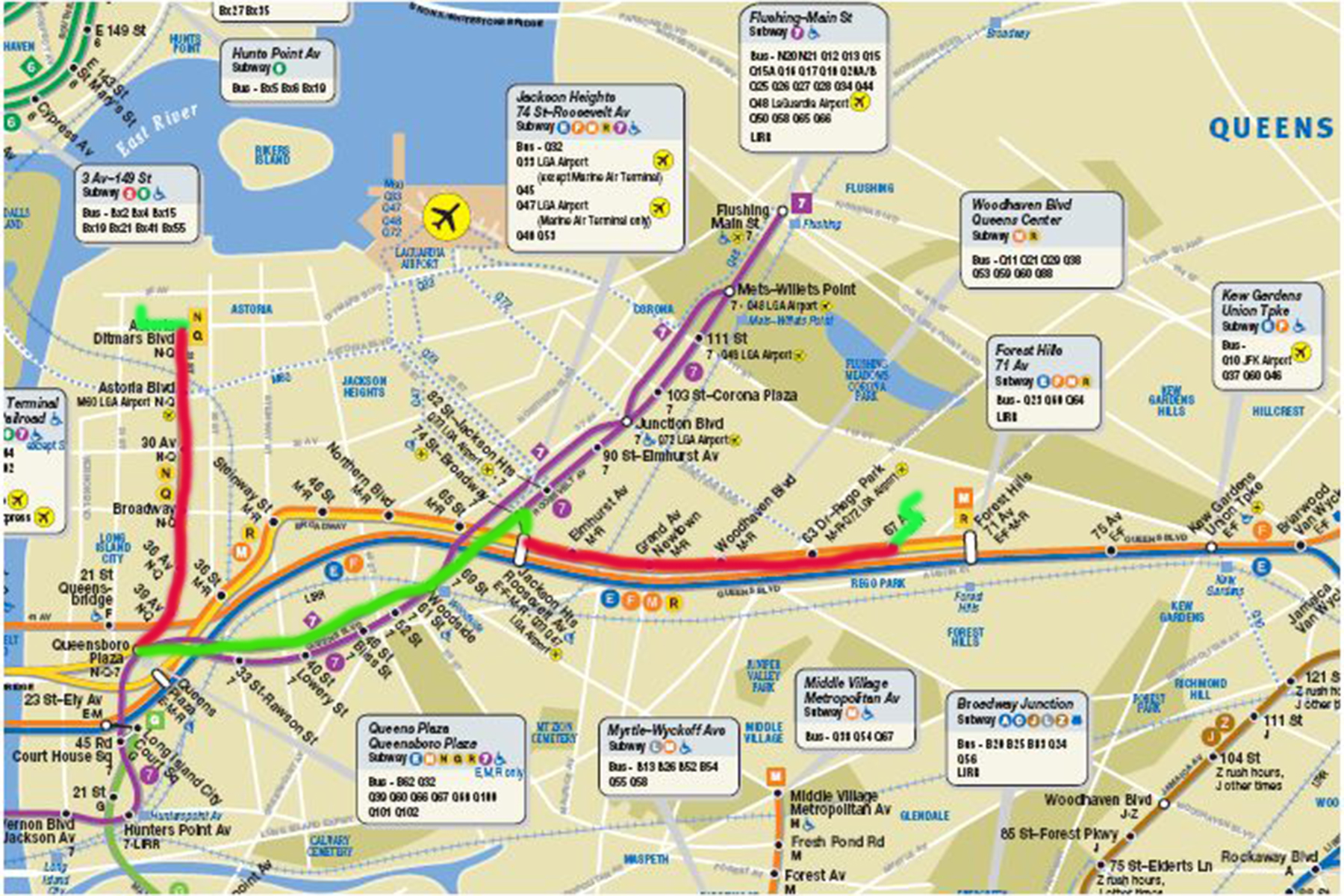
From school, in Astoria, I would walk (green) a few blocks to the Ditmars Boulevard train station; take the elevated train (red) to Queensboro Plaza; switch to elevated express train (green) going to Flushing, change to the local train at Woodside, and get off in Jackson Heights; walk to the underground local train (red) to Forest Hills, and get off at my station, 67th Avenue; then walk (green) a few blocks to my apartment.
To go home required me to take the subway, from Astoria to Forrest Hills — this would involve several different trains, and the journey, normally lasted about an hour and a half each way. I remember the train was crowded, and I overheard people talking — the President had been killed.
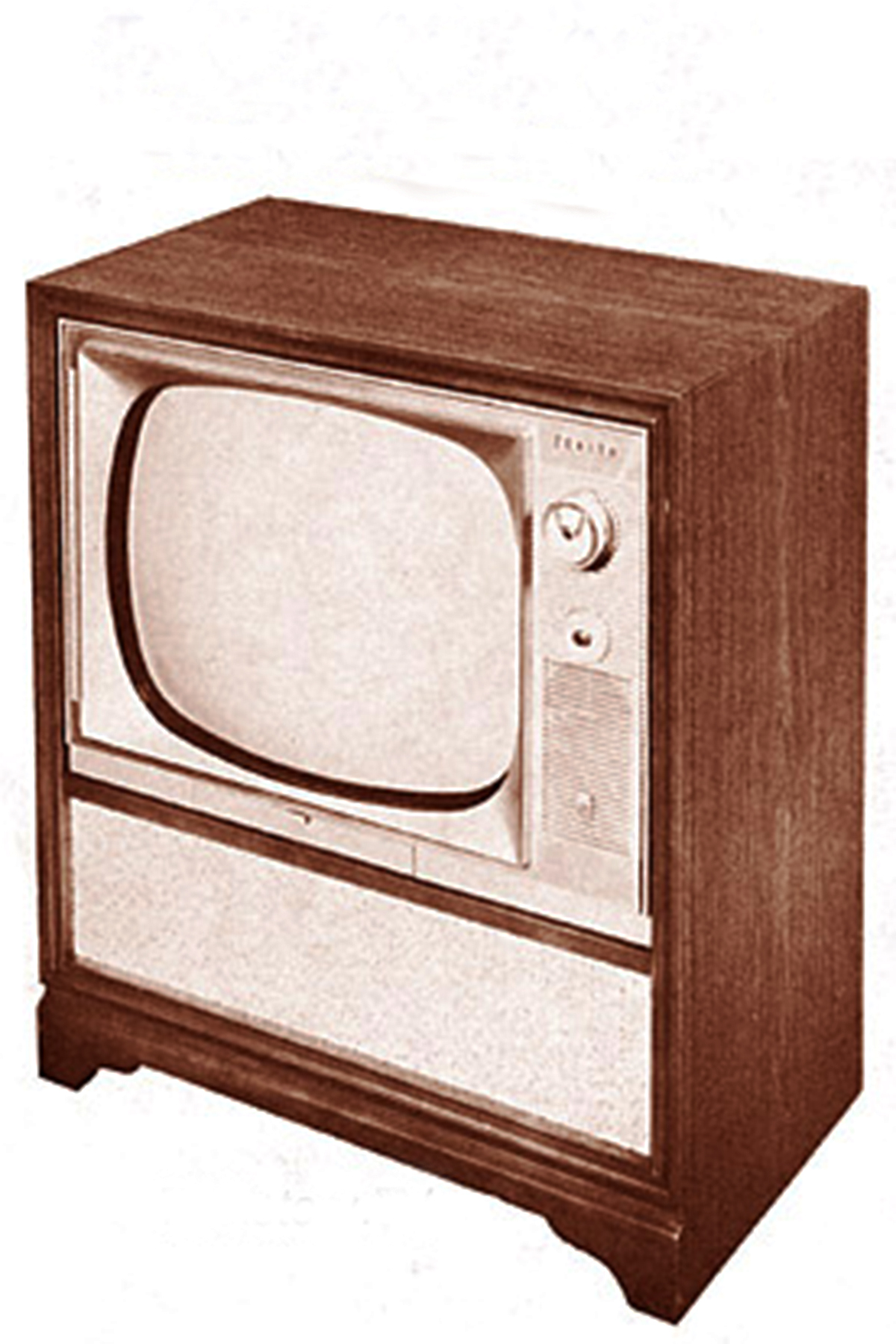
My Dad purchased a 21 inch Zenith black & white television set when my Mom and my brother and sisters moved to America in June 1959
I think that I got home about 4 pm. My Mom was there, and I think that my brother and sisters were home also; my Dad joined us when he got home from work, later in the evening. We watched the news on television all weekend. Shortly after the assassination, Lee Harvey Oswald was captured and arrested for the murder; however, two days later, Lee Harvey Oswald was assassinated himself, on live television. These assassinations were followed by President Kennedy’s funeral, all of which we all watched on television.
I was ten years old when I came to America on June 2, 1959. At that time, Dwight Eisenhower was President. Democracy and free elections were new concepts for me — in January 1960, Senator John Kennedy initiated his campaign to be elected president.
In September and October, Kennedy appeared with Republican candidate Richard Nixon, then vice president, in the first televised U.S. presidential debates in U.S. history. Although I did not watch the debate, I remember my Dad watching; and in the days that followed, there was much discussion about the debate on radio, television, and the newspapers.
On Saturday, November 5, 1960, I went to see Senator Kennedy, who was going to give a speech in the vicinity of 62nd Drive and Queens Boulevard (in Rego Park, Queens, NYC). This was my first political rally — I saw him, and I heard him speak; I was impressed, and it was very exciting.
Senator Kennedy was very controversial; because, at age 43, he was considered by many to be too young to be President; AND, he was a Roman Catholic. Nevertheless, on November 8, Kennedy defeated Vice President and Republican candidate Richard Nixon in one of the closest presidential elections of the 20th century. Because I was only eleven years old, I did not vote for him; and my parents did not vote for him either, because they were not U.S. Citizens yet (we were Resident Aliens).
John F. Kennedy was sworn in as the 35th president at noon on January 20, 1961. In his inaugural address he spoke of the need for all Americans to be active citizens, famously saying, “Ask not what your country can do for you; ask what you can do for your country.” He also asked the nations of the world to join together to fight what he called the “common enemies of man: tyranny, poverty, disease, and war itself”.
At the time that President Kennedy took office, in 1961, the US and the USSR were in a “Space Race.” At that time, the USSR was winning — on October 4, 1957 they achieved the orbiting of Sputnik 1; and later, they beat the US to the first human in space, cosmonaut Yuri Gagarin, on April 12, 1961. Eventually, the US won this Space Race, by landing the first man on the moon.
In addition to the Space Race, at the time that President Kennedy took office in 1961, there was much political tension between the US and Cuba — in 1958, Fidel Castro overthrew the US aligned government in Cuba, and let the country towards a Marxist-Leninist form of government.
As a consequence of this change in government, many people fled Cuba. Some of these people became my friends; and classmates at Our Lady of the Angelus grammar school. [You may want to read my letter to you about West Side Story; and also the bottom of Page 78 and top of Page 79 from my Book.]
In April 1961, some Cuban refugees attacked the Castro government in what became known as the Bay of Pigs Invasion. Those refugees had been led to believe by their CIA contacts that if they attacked Cuba, the US would support them militarily. In the midst of the Invasion, President Kennedy, however, decided NOT to provide military support — this betrayal made me very skeptical of US government “promises.”
In August 1961, tensions between the US and the USSR escalated when the Berlin Wall was built, completely cutting off (by land) West Berlin from surrounding East Germany, including East Berlin. This Wall generated a steady stream of news reports, on television and in the newspapers, about people trying to escape to freedom, and sometimes dying in the process. [Some day I will have to tell you the story of my cousin Lilka, and how she and her husband escaped from Poland.]
The tensions between the US and the USSR reached a fever-pitch during a 13-day (October 16–28, 1962) confrontation over Soviet ballistic missiles deployed in Cuba — this became known as the Cuban Missile Crisis. In anticipation of a nuclear war, in school and in society in general, we practiced going to Fallout Shelters, and otherwise hiding from nuclear blasts.
So, this was the political and social climate [all part of the Cold War] during President Kennedy’s tenure as President of the United States, from January 1961 until his assassination in November 1963.
Politically, those were not fun times; and yet, I survived, and I did have fun — I grew up; I finished high school, and went to college; I was involved with Polish Scouting — through which I got to know your Babcia Krysia, which eventually made all of YOU possible.
Dear William (and Daniel, Catherine, Michael & Baby Girl Y) (and your parents), (and any future descendants and their parents),
I thought you may be interested in seeing your Great-Grandfather Kostro’s Resume from circa [from Latin, meaning “around” ] June 1963 (a Resume is a document that explains your qualifications for work, such as your education, your experience, your publications, the languages you speak, and anything else that may be helpful in evaluating your candidacy for a job you are seeking): Continue reading →

You must be logged in to post a comment.