Dear William (and Daniel, Catherine, Michael & Baby Girl Y) (and your parents), (and any future descendants and their parents),
The other day, I told you the legend about the beginnings of the Polish people — much more than a thousand years ago, there lived three brothers, known as Lech, Czech and Rus. As their tribes grew larger, they, with their tribes, decided to set out and look for a new place to live — they were known as the Slavic people.
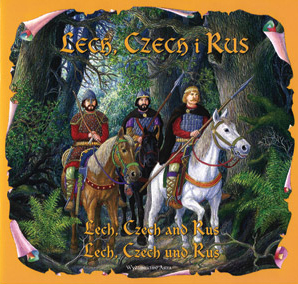
Well, these Slavic people worshiped several deities (gods); the main one being Świętowit. Świętowit was the Slavic deity of war, fertility and abundance.
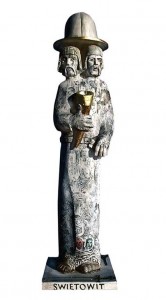
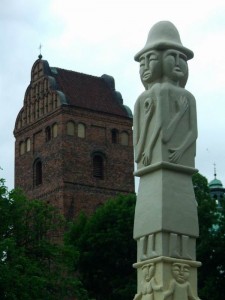
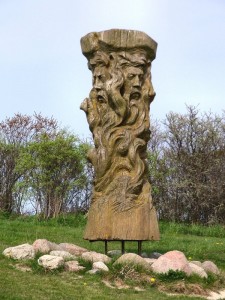
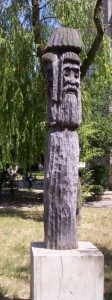
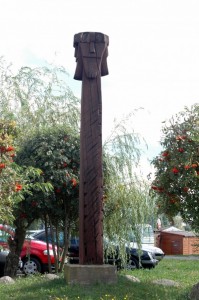
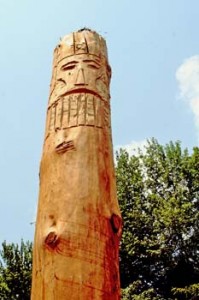
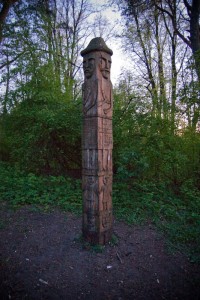
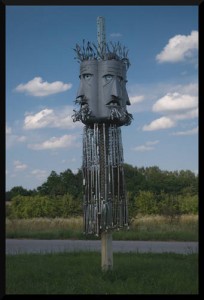
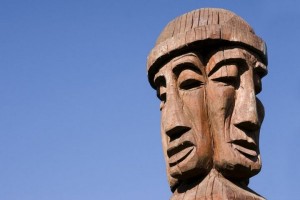
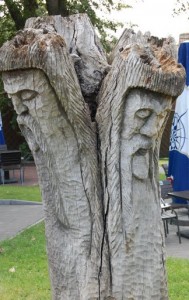
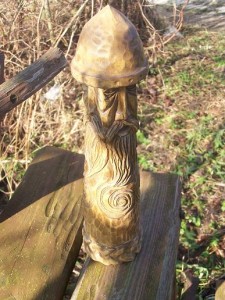
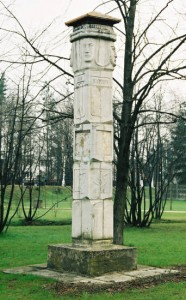
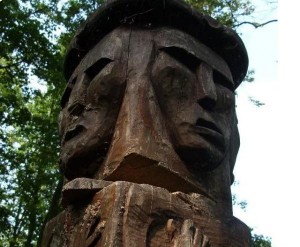
Świętowit was depicted as a four-headed god, each head looking in a separate direction, perhaps a symbolical representation of the four directions of the compass, or the four seasons of the year. Each face had a specific color. The northern face was white, the western face was red, the southern face was black and the eastern face was green.
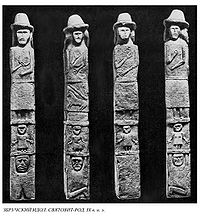
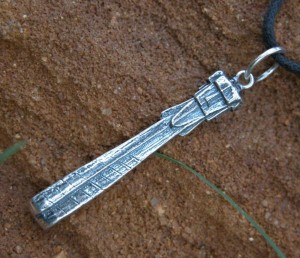
The Zbruch idol, on display in the National Museum in Kraków, Poland
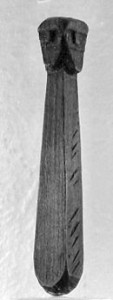
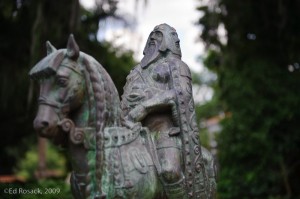
Svetovid wood figure from IX-X century, used to home worship - Wolin Poland
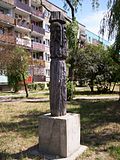
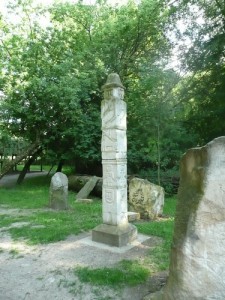
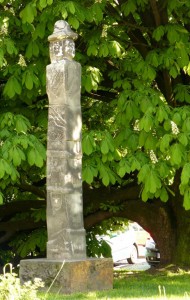
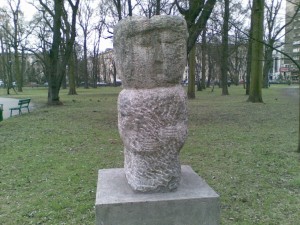
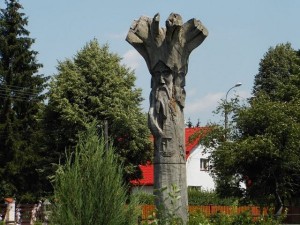
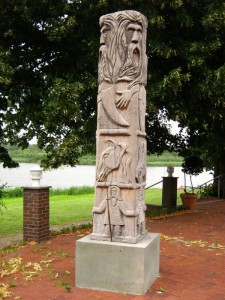
Modern Svetovid statue in Głogów, Poland
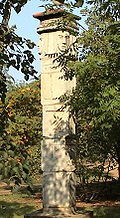
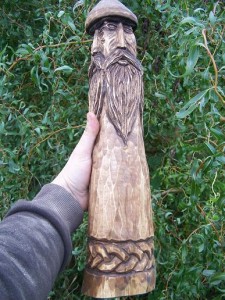
Modern Svetovid statue in Otrebusy, Poland
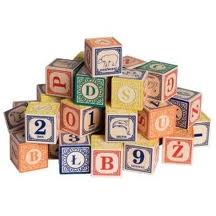
Hey, William — did you notice that sometimes Polish uses some strange symbols when writing words — that is because the Polish alphabet is slightly different from the English alphabet.
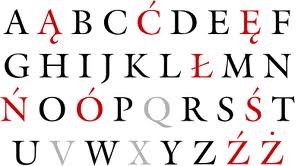
Notice that the Polish alphabet has several letters that are in ADDITION to similar letters in the English alphabet; and a few letters from the English alphabet are MISSING from the Polish alphabet.
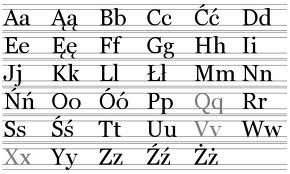
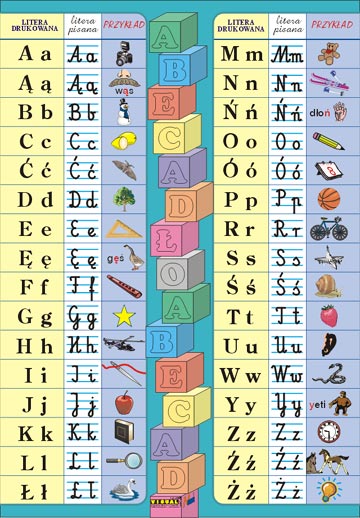
This is the way all the letters look like, both UPPER CASE and lower case.
Polish alphabet
A Ą B C Ć D E Ę F G H I J K L Ł M N Ń O Ó P R S Ś T U W Y Z Ź Ż
a ą b c ć d e ę f g h i j k l ł m n ń o ó p r s ś t u w y z ź ż
There are also seven digraphs (ch, cz, dz, dź, dż, rz, sz).
The letters q, v, and x do not belong to the Polish alphabet, but are used in some foreign words and commercial names. In loanwords they are often replaced by kw, w, and ks, respectively (as in kwarc “quartz”, weranda “veranda”, ekstra “extra”).
Another way of writing Żż is Ƶƶ (using a strikethrough instead of a dot).
Computer encoding — Some letters of the Polish alphabet not present in the English alphabet have the following HTML codes and Unicode codepoints:
Ą = “& # 260;” (with NO spaces)
Ć = & # 262;
Ę = & # 280;
Ł = & # 321;
Ń = & # 323;
Ó = & # 211;
Ś = & # 346;
Ź = & # 377;
Ż = & # 379;
ą = & # 261;
ć = & # 263;
ę = & #2 81;
ł = & # 322;
ń = & # 324;
ó = & # 243;
ś = & # 347;
ź = & # 378;
ż = & # 380;
Hey, William — which is your favorite Świętowit statue? How about your favorite Polish letter?
Love,
Dziadziuś Paweł.
Back to Annual Albums OR Family Letters
