Dear William (and Daniel, Catherine, Michael & Baby Girl Y) (and your parents), (and any future descendants and their parents),
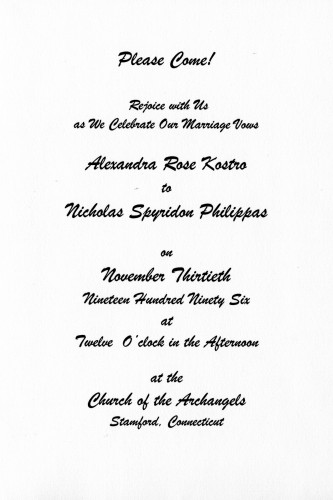
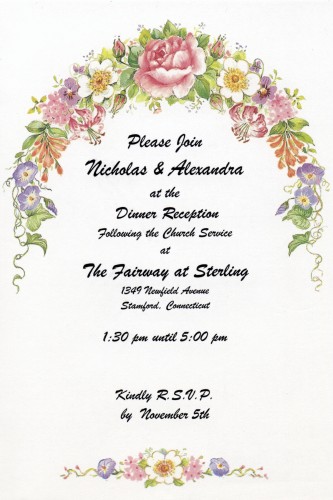
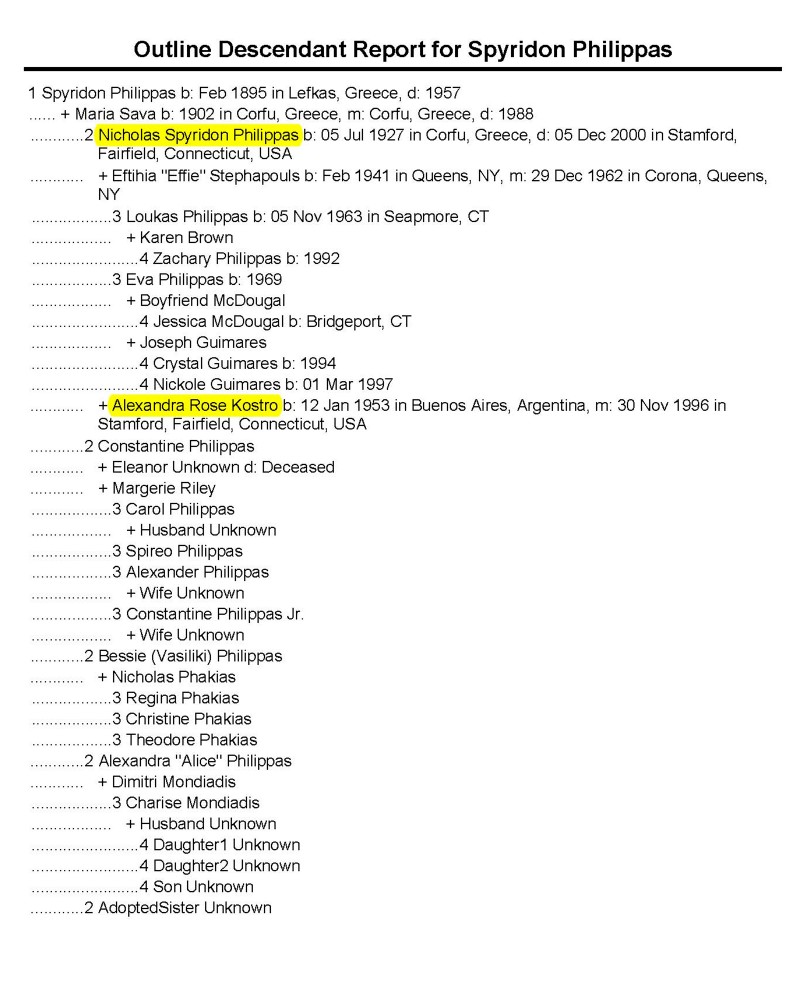
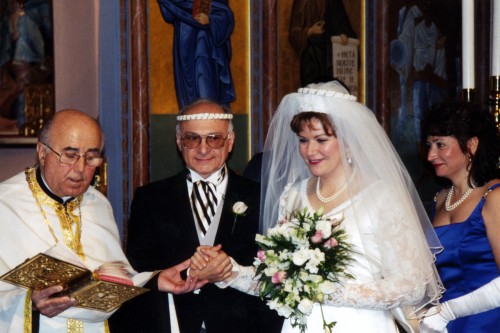
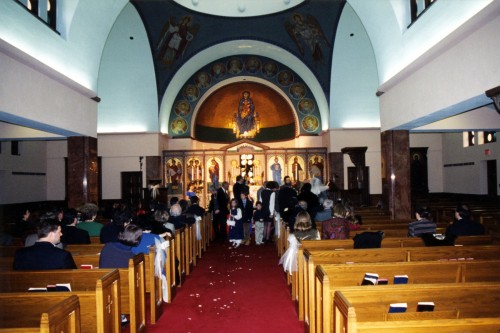
Today, we are invited to my sister Olenka’s wedding:

Krysia & Malgosia, making almond party favors for Olenka's wedding

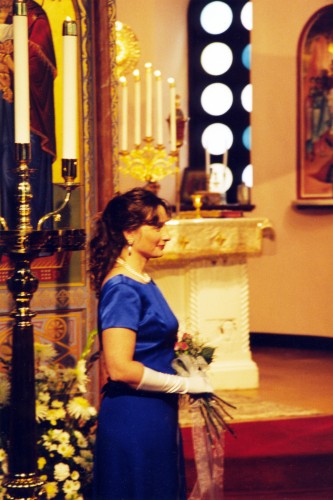
Elzunaia, at the wedding
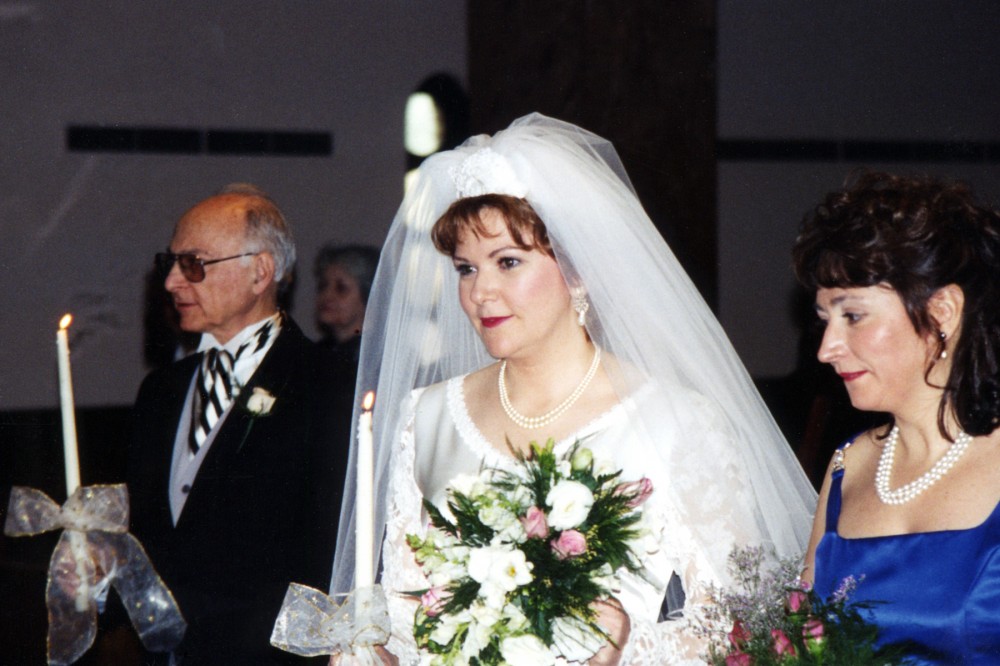
Nick, Olenka & Hanka
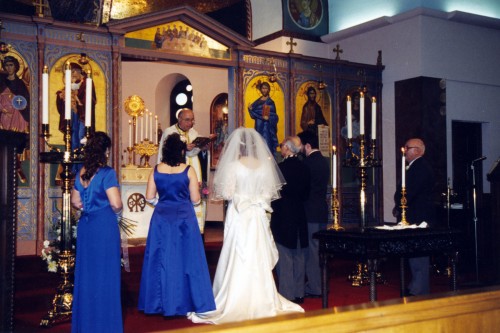
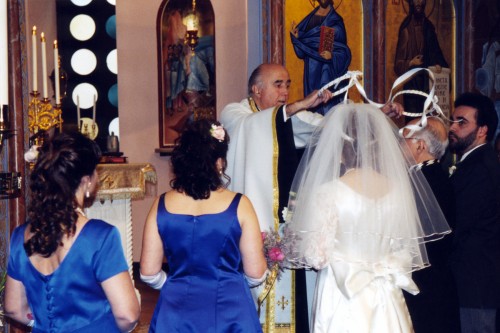
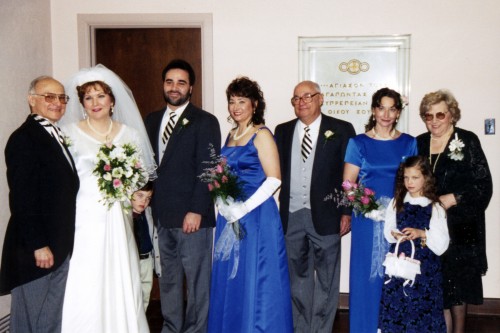
Nick, Olenka, ?, Hanka, ?, Elzunia, Katrina & Pra-Babcia Kostro
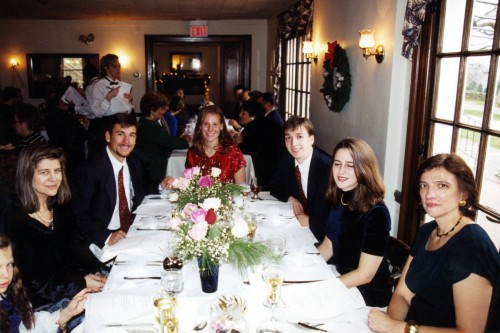
Katrina, Patty, Marek, Malgosia, Rysio, Lindsey Napor (Rysio's date) & Krysia
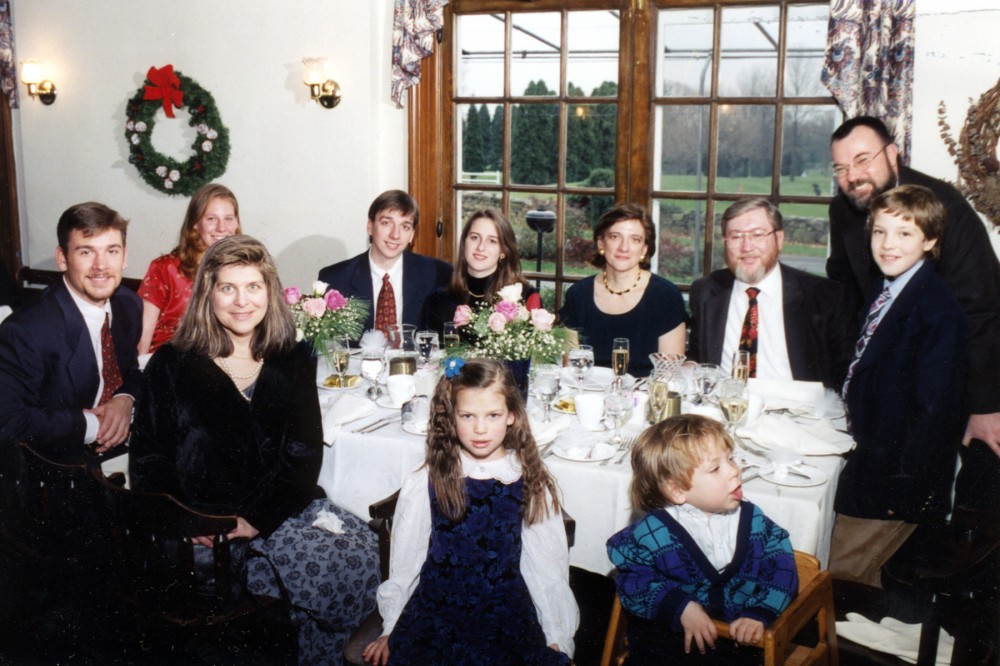
Cody, Katrina, Patty, Marek, Malgosia, Rysio, Lindsay Napor, Krysia, Pawel, Tom & Zak

Reception
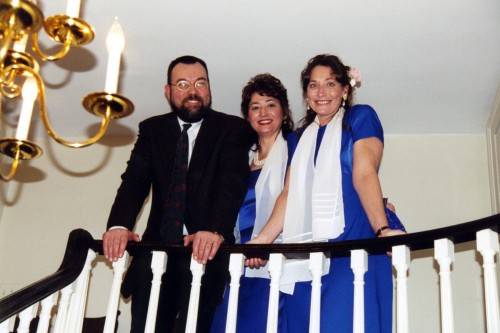
Tom, Hanka & Elzunia
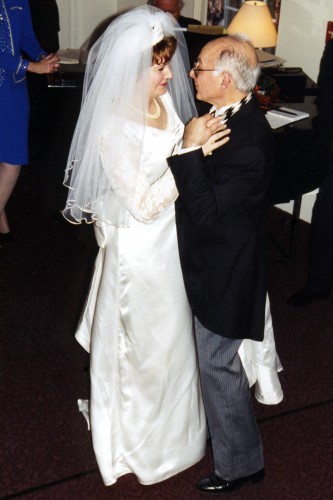
Olenka & Nick
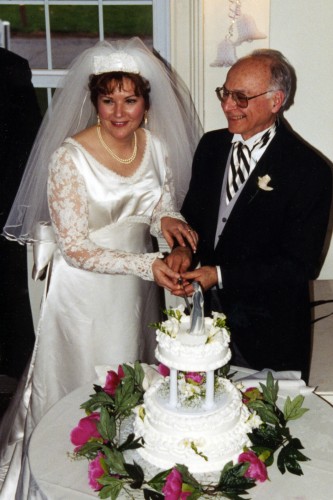
Olenka & Nick
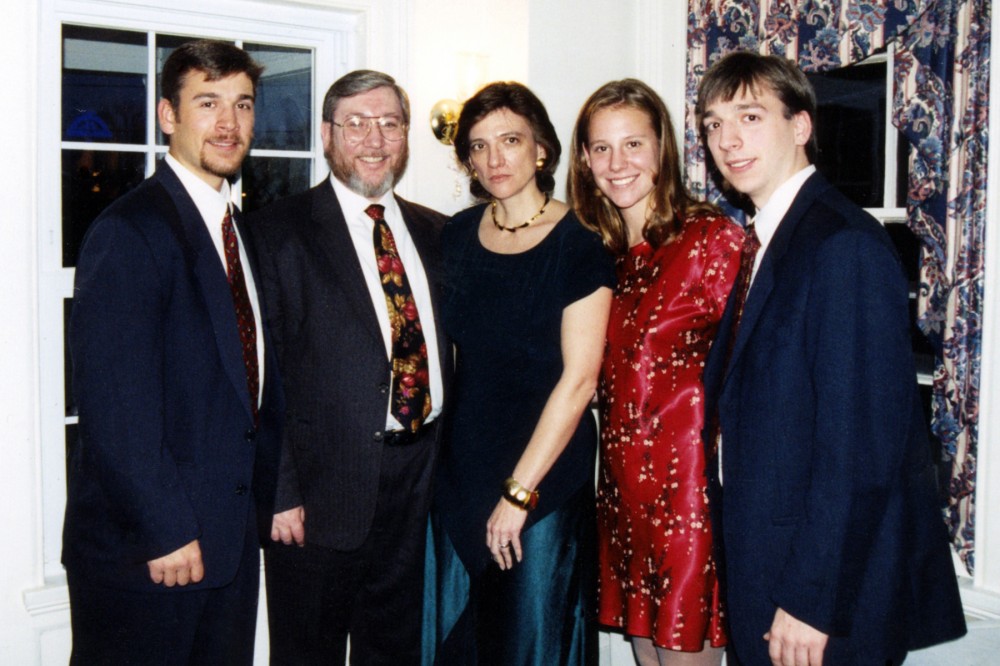
Marek, Pawel, Krysia, Malgosia & Rysio
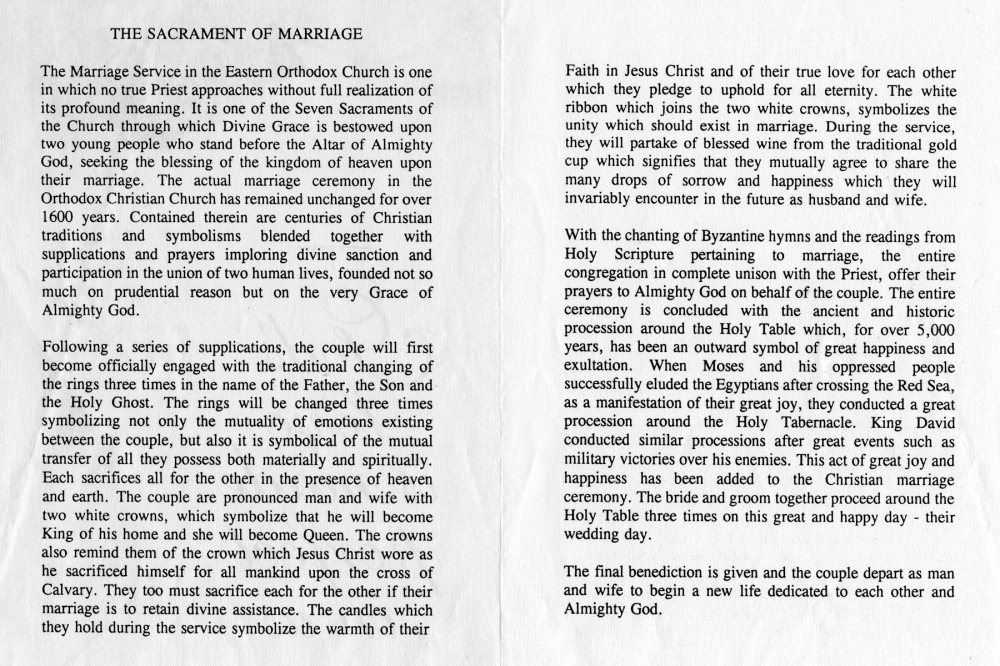
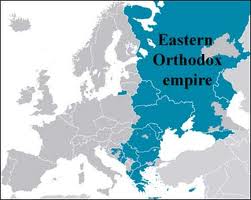
William — the Orthodox Church, also officially called the Orthodox Catholic Church and commonly referred to as the Eastern Orthodox Church, is the dominant Christian denomination in the majority of Eastern Slavic countries, as well as Romania, Moldova, Greece, Cyprus and Georgia. It considers itself to be the One, Holy, Catholic and Apostolic Church established by Jesus Christ and his Apostles almost 2,000 years ago. Orthodoxy is the second largest Christian communion in the world, with an estimated 300 million adherents.
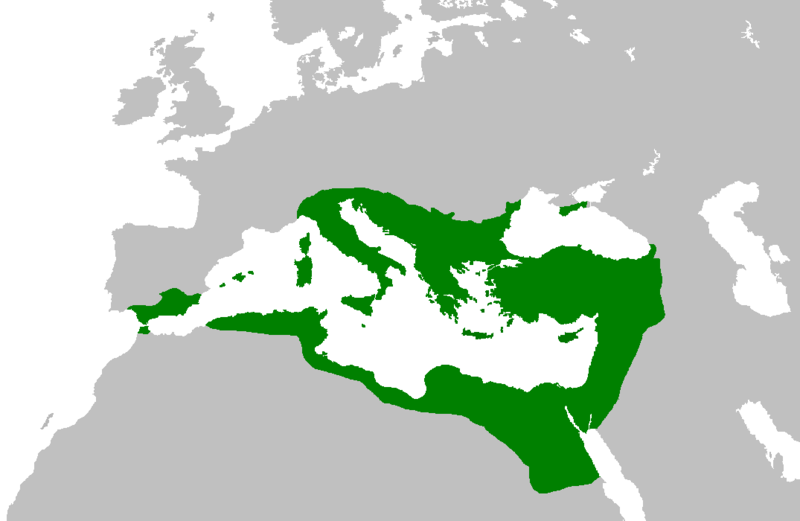
Byzantine Empire
The Orthodox Church claims to trace its development back through the Byzantine or Roman empire, to the earliest church established by St. Paul and the Apostles. It practices what it understands to be the original ancient traditions, believing in growth without change. In non-doctrinal matters the church had occasionally shared from local Greek, Slavic and Middle Eastern traditions, among others, in turn shaping the cultural development of these nations.
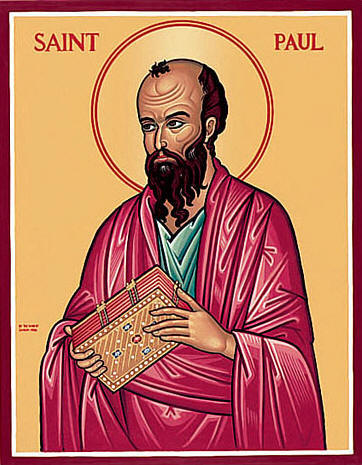
Saint Paul
The goal of Orthodox Christians from baptism is to continually draw themselves nearer to God throughout their lives. This process is called theosis, or deification, and is a spiritual pilgrimage in which each person strives to both become more holy and more “Christ Like” within Jesus Christ.
As to its history — Christianity spread rapidly throughout the Roman Empire. Paul and the Apostles traveled extensively throughout the Empire, including Asia Minor, establishing Churches in major communities, with the first Churches appearing in Jerusalem and the Holy Land, then in Antioch, Ethiopia, Egypt, Rome, Alexandria, Athens, Thessalonica, Illyricum, and Byzantium. Christianity in the Roman Empire was met with some resistance as its adherents would refuse to comply with the Roman state (even at the threat of death) in offering sacrifice to the pagan gods. Despite being under persecution, the Church spread. The persecution dissipated upon the conversion of Emperor Constantine I in 324 AD.
By the 4th century Christianity had spread in numerous countries. A number of influential schools of thought had arisen.
Eastern Christian culture reached its golden age during the high point of the Byzantine Empire and continued to flourish in Ukraine and Russia, after the fall of Constantinople.
The Church in Egypt (Patriarchate of Alexandria) split into two groups following the Council of Chalcedon (451), over a dispute about the relation between the divine and human natures of Jesus. Those that remained in communion with the other patriarchs (those who accepted the Council of Chalcedon) were called “Melkites” (the king’s men, because Constantinople was the city of the emperors). Those who disagreed with the findings of the Council of Chalcedon are today known as the Coptic Orthodox Church of Alexandria. There was a similar split in Syria (Patriarchate of Antioch) resulting in the Syriac Orthodox Church.
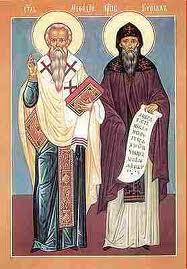
Saints Cyril & Methodius
In the 9th and 10th centuries, Christianity made great inroads into Eastern Europe. This work was made possible by the work of the Byzantine-Era saints Cyril and Methodius. When Rastislav, the king of Moravia, asked Byzantium for teachers who could minister to the Moravians in their own language, Byzantine emperor Michael III chose these two brothers. Cyril and Methodius translated the Bible and many of the prayer books. As the translations prepared by them were copied by speakers of other dialects, the hybrid literary language Old Church Slavonic was created. Originally sent to convert the Slavs of Great Moravia, Cyril and Methodius were forced to compete with Frankish missionaries from the Roman diocese.
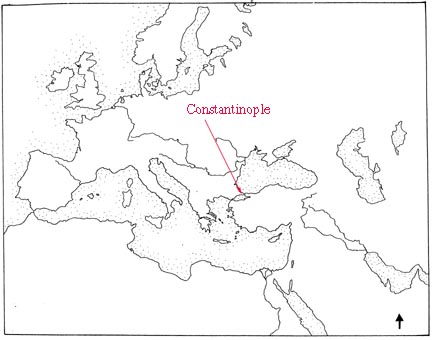
Constantinople was located on a peninsula on the European side of the Bosphoros (modern Istanbul in European Turkey).
In the 11th century what was recognized as the Great Schism took place between Rome and Constantinople, which led to separation from the Church of the West, the Roman Catholic Church, and the Eastern Byzantine Churches, now the Orthodox. There were doctrinal issues and the authority of the Roman Pope involved in the split, but these were greatly exacerbated by political factors of both Church and state, and by cultural and linguistic differences between Latins and Greeks. Prior to 1054, the Eastern and Western halves of the Church had frequently been in conflict.
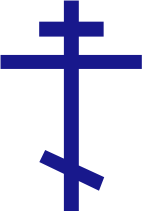
Orthodox Cross
The final breach is often considered to have arisen after the capture and sacking of Constantinople by the Fourth Crusade in 1204; the final break with Rome occurred circa 1450. The sacking of Church of Holy Wisdom and establishment of the Latin Empire as a seeming attempt to supplant the Orthodox Byzantine Empire in 1204 is viewed with some rancor to the present day.
William — be respectful of all religions and other people’s customs.
Love,
Dziadziuś Paweł.
Back to Annual Albums OR Family Letters
